[South China Morning Post, Divia Harilela]
Today, there are hundreds of hotel brands offering residences, with key luxury players including Ritz-Carlton, Mandarin Oriental, Anantara and Rosewood
For many years, living in a five-star hotel was a privilege enjoyed by an elite few, including celebrities and jet-setters. Coco Chanel famously lived for over 30 years in a suite at the Ritz Paris, while Elizabeth Taylor was partial to long stays at the Beverly Hills Hotel. Even fashion designer Tory Burch has a private apartment at New York hotel The Pierre.
While most of us can’t afford to live in a five-star property for extended periods, hoteliers have decided to cater to those who can by launching a new category of accommodation aimed at their most loyal customers: hotel-branded residences.
Four Seasons and Aman Resorts were among the first to open these branded residences in the 1980s – in Boston and Phuket respectively. Over the years, other luxury players such as Anantara, Mandarin Oriental, Ritz-Carlton and Rosewood have followed suit, offering travellers permanent accommodation at iconic destinations, with the added comforts of home.
Today the market is extremely lucrative, with over 700 brands offering residences, says Gavin Graham, senior director, global residential operations at Rosewood Hotel Group. “Many of our buyers are drawn to us because they already have a strong affinity for the brand. They’re looking for a trusted name that delivers elevated living, paired with tailored amenities and thoughtful service,” he says. ““What they value most is confidence in the experience – knowing their residence will feel deeply connected to its location yet supported by the consistency and care of a globally respected luxury brand.”
Today there are various factors driving the demand for hotel-operated residences. For a start, the target audience has evolved and expanded from loyal guests and return customers to ultra-high-net-worth individuals – both local and foreign – who see these “homes” as an extension of their global lifestyle.
“As many already own multiple properties, they’re seeking a lifestyle without the complexities of property management, and they trust our teams to take care of everything,” says Vladislav Doronin, owner, chairman and CEO of Aman Group. “There’s also a strong investment case. Our rental pool programme offers attractive returns, and we’ve seen consistent year-on-year capital appreciation across our properties.”
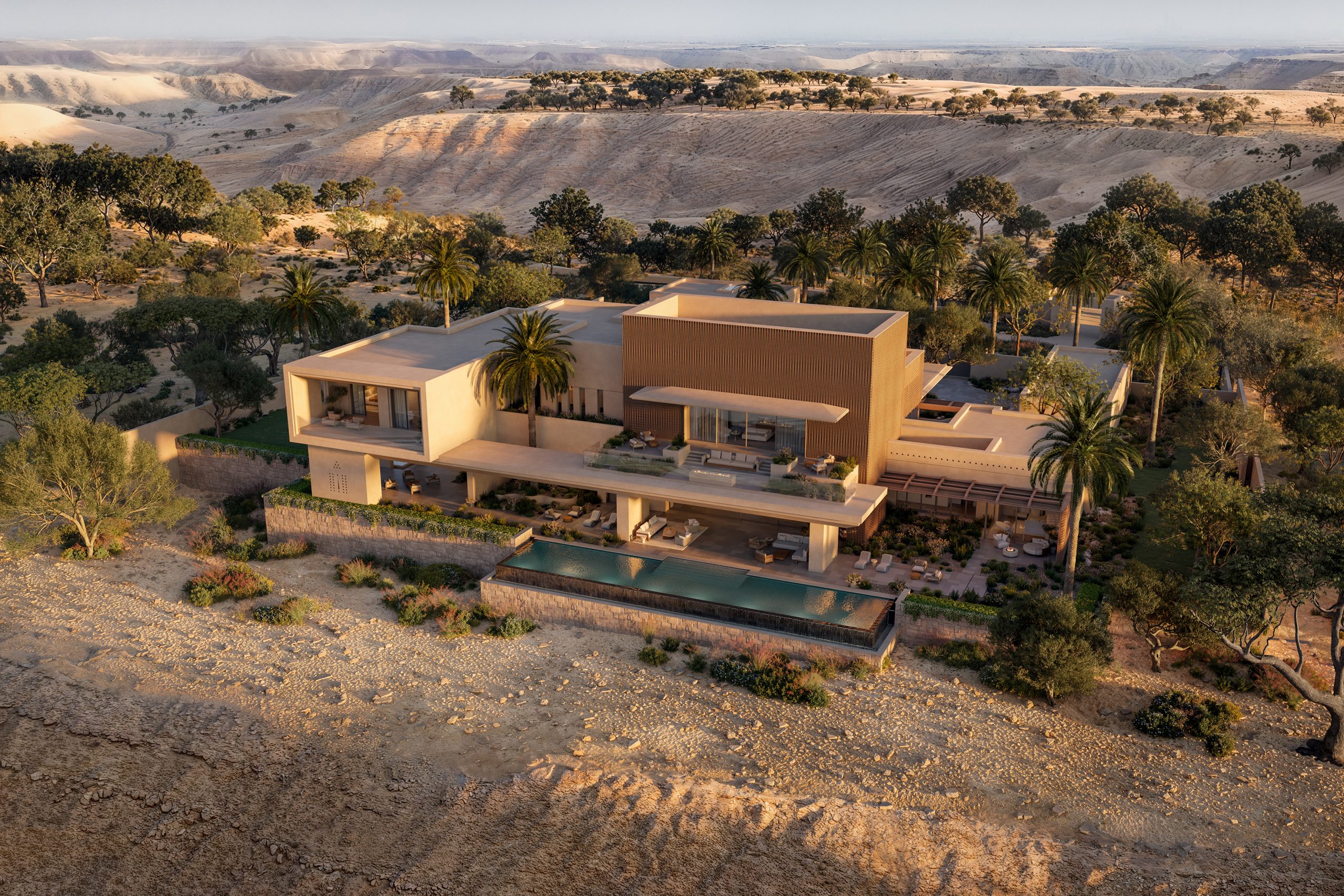
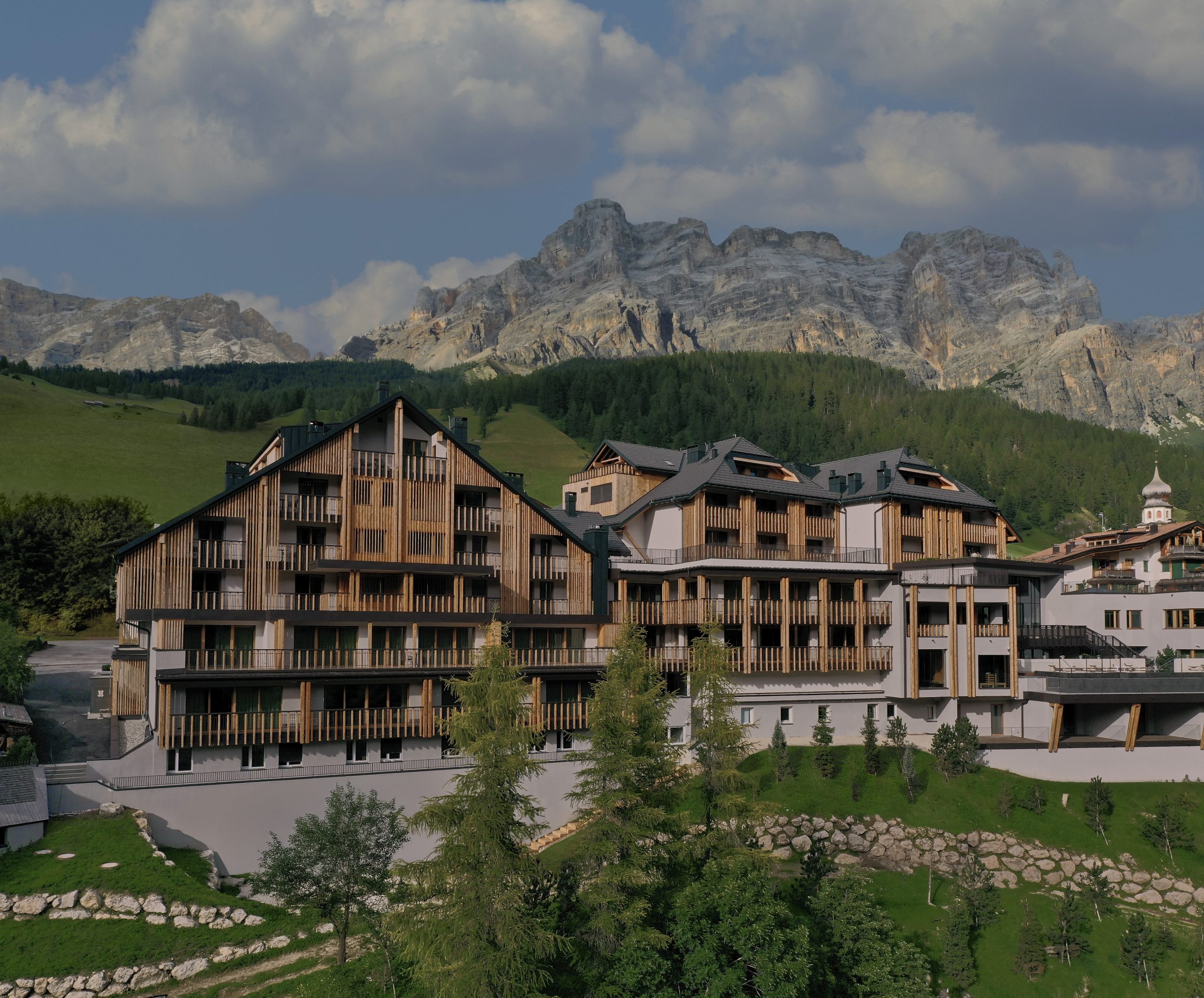
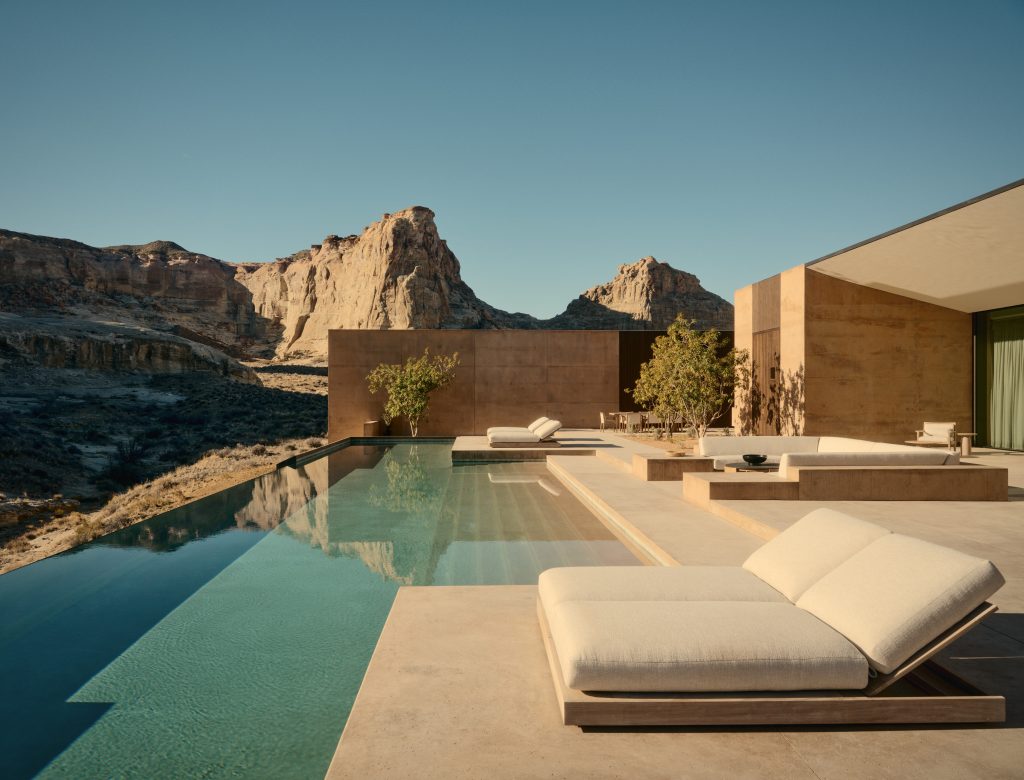
The locations themselves are also attractive and varied. While branded residences have historically played a role in transforming emerging destinations, factors such as new lifestyle habits have encouraged hoteliers to expand their global footprint. Established urban centres like New York, Dubai and Madrid are just as popular as off-the-beaten-track destinations such as Malaysia’s Desaru Coast (Anantara) and the canyonlands of Utah (Aman) as buyers look for a genuine connection to the place they’re investing in. Europe and the Middle East are also emerging hotspots.
While many projects were originally conceived to complement the brand’s existing hotel portfolio, stand-alone developments are also trending – as evidenced by Mandarin Oriental’s and Rosewood’s recent openings in Beverly Hills, California.
“We choose locations with the global citizen in mind – cosmopolitan, culturally rich destinations where our residents naturally live, work and travel. Some are stand-alone properties designed for those who desire the Mandarin Oriental lifestyle but prefer a more private exclusive setting,” says Adelina Wong Ettelson, the group’s global head of residences marketing.
“In every case, the goal is to expand the ways our brand can be experienced, through residences that feel both rooted and refined,” she adds.
Of course, the major selling point is the residences themselves, which offer experiences distinct from a hotel stay. Designed by world-class architects, these spaces are as beautiful as they are liveable. Accommodations are more spacious, often including separate living and dining areas as well as a state-of-the-art kitchen – comforts you’ll only find at home.
Amenities are personalised to meet the demands of discerning residents, from private entrances and integrated technology, to privileges at select partners and within the hotel group itself.
“Demand is growing for residences featuring expansive, multi-generational living spaces that seamlessly integrate indoor and outdoor environments, enhancing lifestyle and tranquillity. Comprehensive wellness features and sustainable design principles are also increasingly prioritised,” says Micah Tamthai, COO of lifestyle and real estate at Minor International, which owns Anantara.
“In urban destinations buyers tend to prioritise everyday comforts such as private space, concierge services, or a well-equipped fitness centre. In resort settings there’s greater interest in leisure amenities such as beach clubs, boat slips and guest accommodation,” notes Graham.
Services are also being customised to the destination itself. At the Mandarin Oriental Residences in Beverly Hills – a city known for being health conscious – there is an entire floor dedicated to wellness, complete with private spa, outdoor relaxation gardens and state-of-the-art fitness centre. Other residences also offer programmes and initiatives to foster ties within the local community.
The biggest difference between a residence and a hotel, however, comes down to the experience itself, which combines world-class hospitality with the permanence and privacy of home.
“Luxury hoteliers understand how to design and deliver experiences, not just spaces – and that’s a fundamental difference. We don’t approach development like traditional real estate companies. Instead, we focus on creating residences that support well-being and peace of mind, offering owners a seamless blend of comfort, discretion and elevated living,” says Doronin.
Read the original article on SCMP.